Four ways to merge
- 4games
- 20languages
Starjar Merge, Tegula 2048 and Astragal Merge Dice all join equal pieces into a bigger one, and they differ in who moves what. In Starjar Merge you drop planets into a jar and they pile up: two of a kind that touch become the next size, eleven sizes from pebble to sun, and only the five smallest ever drop, so every bigger planet has to be made. In Tegula 2048 every glazed tile slides at once: two equal numbers that meet join into their sum, and a new 2 or 4 lands after each move. In Astragal Merge Dice you place each piece yourself: one die or a domino of two goes onto a grid, and three or more dice of the same face that touch side by side merge into one die of the next face. 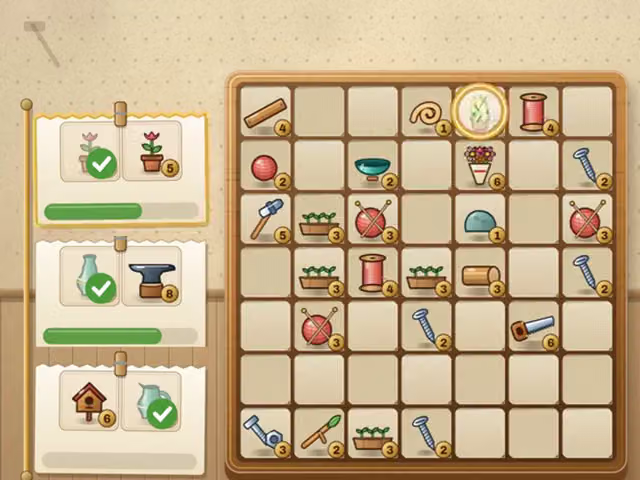 Fettle Merge is the fourth and the only one built around orders: you tap supply crates for items, drag an item onto its twin anywhere on a bench, and hand finished items to the tickets pegged above it.
All four are free to play in the browser on a phone, a tablet or a computer, with no account. Each keeps your best scores and progress on the device you play on, and a sync code moves them to another device.
Rolling dice, sliding tiles, falling planets
Astragal Merge Dice is the only one where a piece can be turned over after it lands. Every die is a real cube: tap it and then a free cell beside it, or swipe it, and it tips into that cell and lands on the face a real die would show, with opposite faces adding up to seven. A roll costs one from a bank of up to five, and a merge of four or more dice, every merge after the first in a chain and every blaze pay one back. Three sixes do not make a seven: they blaze and clear every die in the square around them.
Tegula 2048 gives you four directions and a small bank of undos that grows the first time a run builds a 512, 1024 or 2048 tile, up to five. Starjar Merge is played by aiming a drop: merges that follow each other quickly form a chain that multiplies the score, so one drop that sets off two merges is worth far more than two separate ones. A two-second danger clock fills while the pile sits above the dashed line, and dropping back under it drains the clock at one and a half times the speed it filled.
Levels, chapters and endless runs
Astragal Merge Dice has 96 levels in eight halls of twelve, from an oak den to a gilded grand table. Each hall has its own table and dice and adds a mechanic: towers of stacked dice, brass rails that roll a die for free, carved seals to light, fuse dice that cool into cinders, mirrors and cups, all mixed together on the Grand Table. Every level has a silver and a gold line for pieces used, Endless runs on a 5x5 board until the piece in hand has no room, and hard mode hides the next piece, removes undo and holds at most two rolls.
Tegula 2048 runs endless on a 3x3, 4x4, 5x5 or 6x6 board, or you work through 80 hand-built goal puzzles in eight chapters. Each chapter adds a new piece: stones that crack when you merge beside them, star tiles that join any number and double it, gold rings, bombs, frozen tiles that melt and boards with holes in the floor. Hard mode opens after a 1024 in Endless or 20 solved puzzles. Starjar Merge is a single endless jar: merge a Lagoon planet, the ninth size, and hard mode opens with a shorter jar and a lower danger line.
Orders on a workshop bench: Fettle Merge
In Fettle Merge you choose when anything new arrives: tap a supply crate on the shelf and the item showing in its open lid hops onto a 7x7 bench. Drag an item onto an identical one and the two become the next item of that line, up to eight steps: two twigs make a log, two logs a plank. The six lines are Timber, Hardware, Wool, Pottery, Garden and Books, from a wood shaving to a ladder-back chair and from a clay lump to a gold-banded vase, and every item you have made stays lit on the ladder.
Tickets pegged above the bench ask for one item, two items of two lines, or the same item twice. Drag an item onto the ticket that wants it, or tap the ticket to hand in everything it wants from the bench. The crates share one stock and every tap takes one; a paid ticket restocks them. Nothing refills over time, nothing is for sale and no clock runs, and merging, moving and handing in cost nothing. A ticket paid before its rush bar runs out restocks in full and pays half again in coins, and every fourth ticket of a rush streak puts a polish tin on the bench that raises any item one step. Merges never split, so the skill is knowing when to hold a pair.
Endless runs until the stock is gone and no ticket can be finished from the bench, with more crates arriving as the shift goes on. Journey has 30 stages in five workshops, from the Joinery to the Night Market, six stages each, with their own crates and line mixes and parcels on the bench that open when you merge next to them. Hard mode opens after 15 tickets paid in one endless shift, with a shorter rush and the next item in each crate hidden.
Daily boards and duels
Tegula 2048 and Astragal Merge Dice each have a daily board that is the same for every player. Tegula's is a 4x4 board with the same new tiles, scored on the highest total in 150 moves; Astragal's is the same board, the same hall mechanic of the day and the same 60 pieces, scored on points. Fettle Merge has a daily shift: everyone gets the same tickets, the same crates and the same starting bench, and the score is compared with that day's players.
Two merge games have a friend mode. In Astragal Merge Dice, Play with a friend opens a room link, and two players take turns on one shared 5x5 or 6x6 board, each placing their own pieces, 12, 18 or 24 apiece. Merges score for the player who causes them, so a pair of fives left open is a gift if your rival's next piece is a five, and the higher score wins. In Fettle Merge, Play with a friend is cooperative: you and a friend share one bench, one rail of tickets and one stock for a shift of 10 or 20 tickets, you see your friend's hand move as it happens, and the shift is won or lost together.
Frequently asked questions
Which merge game is the easiest to start with?
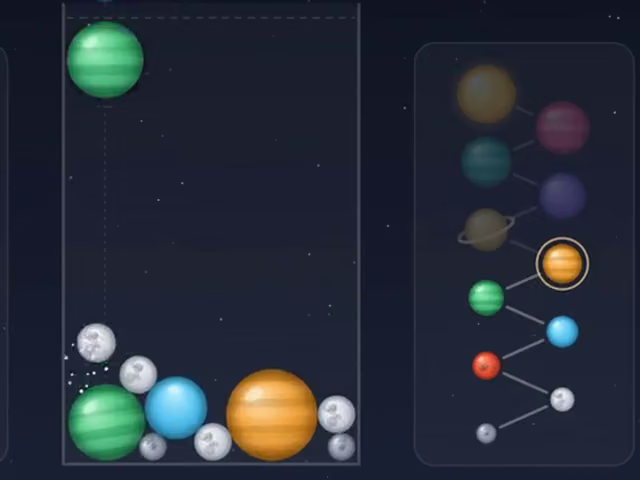 Starjar Merge. You aim, release, and two planets of the same size become the next one; there is nothing to learn beyond that.
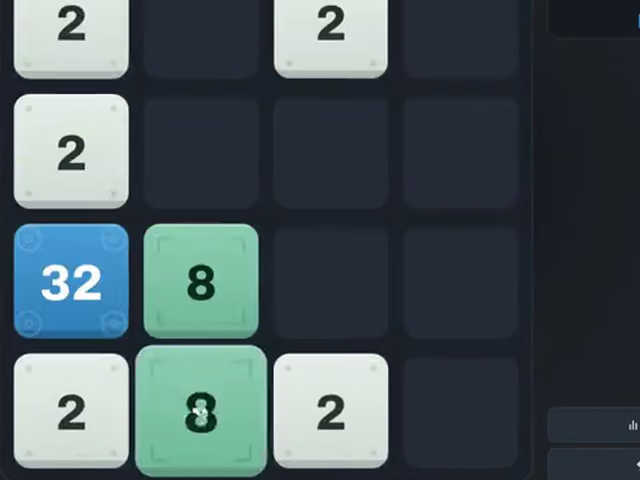 Tegula 2048 is nearly as direct, with a swipe in any direction, and
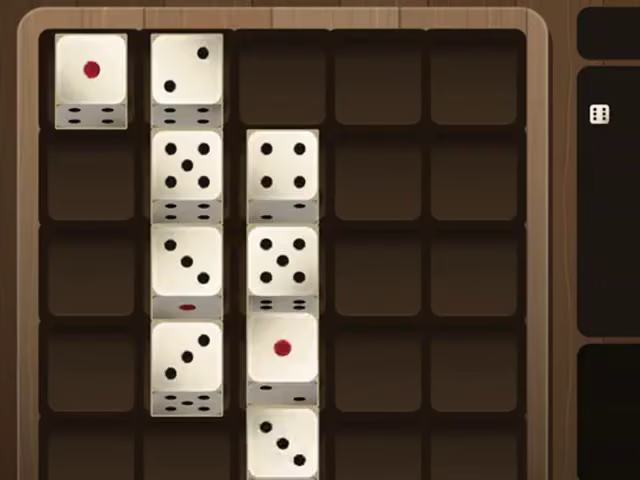 Astragal Merge Dice brings in dominoes and rolling dice one step at a time over its first levels.
Do three sixes make a seven in Astragal Merge Dice?
No. Three or more sixes blaze instead: every die, tower layer and cinder in the 3x3 square around the blaze is cleared, and you earn a roll.
Can I play a merge game against a friend?
Two can. In Astragal Merge Dice, choose Play with a friend, pick the board size and the number of pieces each of you places, and send the link; you take turns and the higher score wins. In Fettle Merge, choose Play with a friend, pick a shift of 10 or 20 tickets and send the link; you both work one bench and win or lose together. Starjar Merge and Tegula 2048 are played alone, with a best score to beat and, in Tegula 2048, a daily board.