Nine arcade classics, nine kinds of reflex
- 9games
- 20languages
Shardfall Brick Breaker is the paddle-and-ball one: you clear a wave, pick one of three upgrades that stack for the run, and break a moving boss core every fifth wave. Coil Snake Arena drops you into a round arena with a dozen rival snakes, where you eat glowing dots to grow and climb a live top five. Orbel Pinball has five brass tables with two flippers, a plunger, a nudge and a ball that lights star inserts as it rolls. 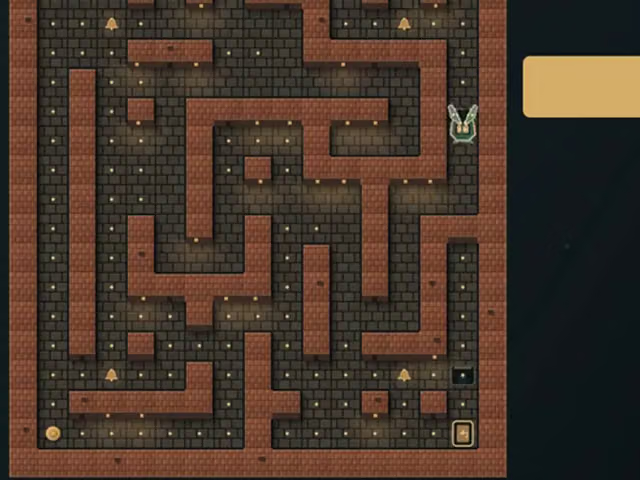 Mavren Maze Chase sends a lantern creature with hinged metal jaws through 30 nights in five districts, eating street lights to open the exit while wardens patrol.
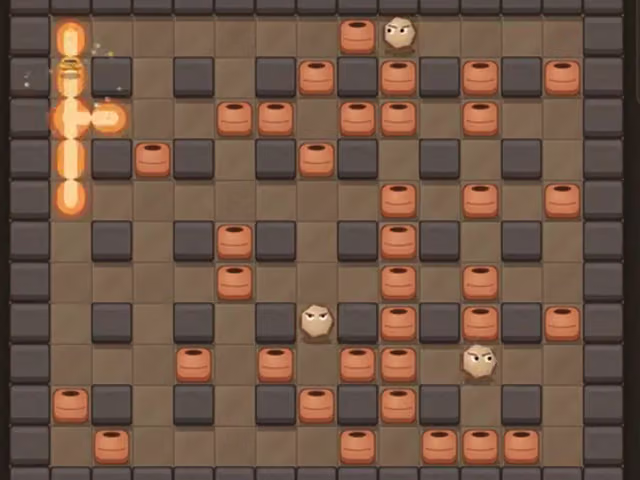 Ashlar Bomber is the bomb maze: you lay bombs on a stone grid, and every enemy caught in a blast leaves a cinder that bursts a moment later in a cross of its own, so two enemies a tile apart are a chain waiting for one fuse.
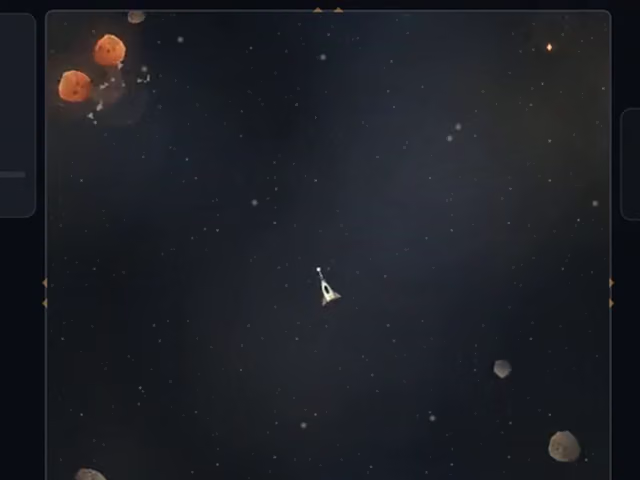 Flinder Asteroid Shooter is the rock splitter: you fly a ship that keeps its momentum across a field that wraps around, and the rocks you break throw out glowing shards that break whatever they touch.
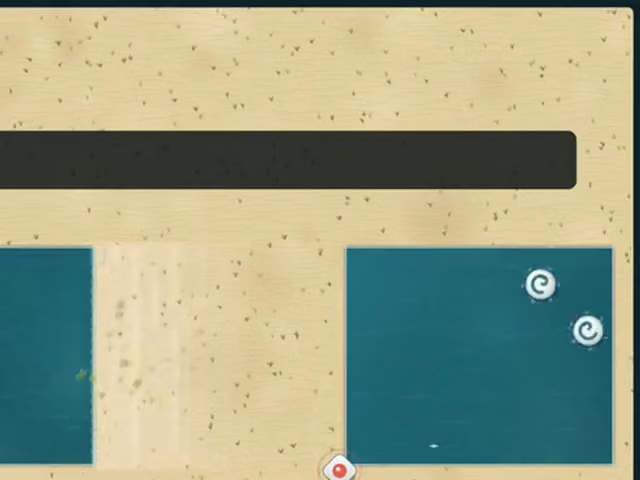 Marram Territory is the land grab: you lay a fence across a sea of bouncing waves, and every part of the sea that holds no wave turns to land.
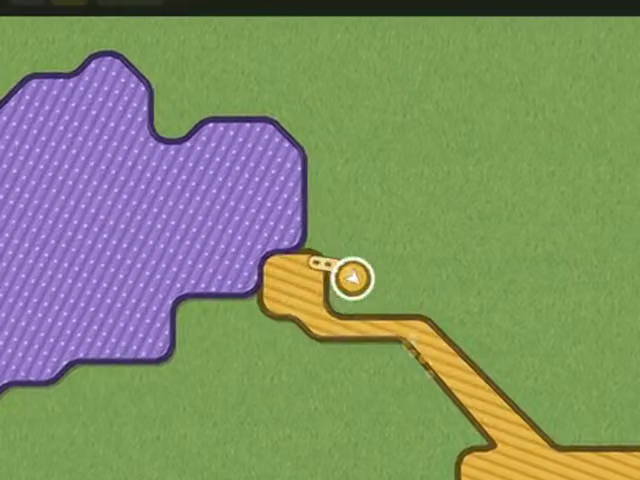 Bocage Land Grab is the other land grab, played against rival players: you lay a hedge line off your own field, close a loop to claim everything inside it, and any marker that touches your open line takes every field you hold.
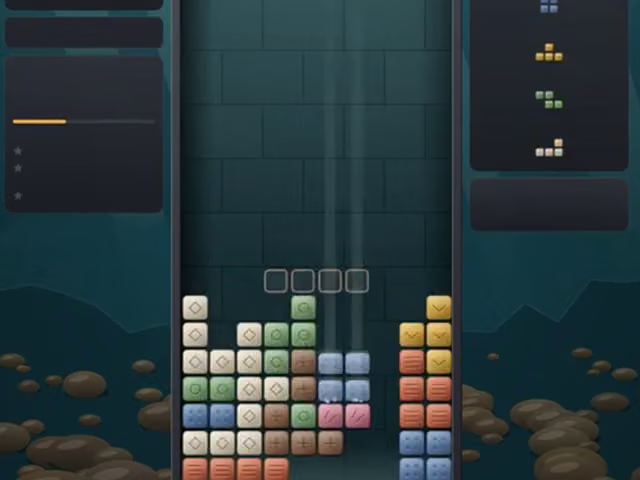 Shale Falling Blocks is the falling-blocks one: stones of four squares drop into a well ten columns wide, a row with no gaps clears, and every ten lines charge a tamp that packs each column down into its gaps.
All nine are free to play in the browser on a phone, a tablet or a computer, and each keeps your progress on the device you play on, with no account. Each one also has a daily run that is the same for every player that day.
Brick Breaker and Snake: upgrades, bosses and rivals
In Shardfall Brick Breaker the spot where the ball meets the paddle sets its angle, and the number on a brick is the hits it still needs. Steel bricks only give way to a burning ball, red bricks explode and white ones release an extra ball. After each wave you pick one of three upgrades from eleven, such as extra balls, a piercing hit, side lasers, a paddle magnet or an extra life. Waves have no fixed end: the ball speeds up and bricks take more hits as the count climbs. You start with 3 lives and can hold up to 6, and breaking the first boss core opens hard mode with a single life.
In Coil Snake Arena you steer with the mouse, by dragging on a phone, or with the left and right arrows or A and D, and holding the mouse button, Space or the up arrow boosts you at the cost of length. A snake whose head touches another snake's body is out, so you cut rivals off rather than chase them. Some rivals hunt you, some run from anything bigger, some graze and some go for the dots a crashed snake leaves. Growing to length 150 opens hard mode, where every rival hunts you, and 18 missions run up to length 2000.
Pinball tables and maze nights
Each of the five Orbel Pinball tables has its own mechanic: Sunwheel locks balls for a three-ball multiball, Comet Rail runs on a spinner, Tide Moon has a moon bumper that travels an orbit, Lodestone has a magnet that catches and flings the ball, and Ring Vault hides a mini playfield behind four drop targets. Every table has five goals in order, and reaching goal 3 opens the next table. You get three balls with a ball save at the start of each, and nudging too often tilts the machine and costs you the ball and its bonus. Hard mode drops the ball save.
Mavren Maze Chase has 30 nights in five districts: a night market, canal galleries with side tunnels, ironworks with timed shutters, a freight yard with conveyor corridors, and a bell quarter that combines all three. Mavren keeps moving until a wall blocks the way, and you queue turns with the arrows, WASD, a direction pad or a swipe. A bell charge makes wardens flee and opens shutters for seven seconds: you start with one, can bank up to two and find four more in the maze. Three hits end a night, a night can earn up to three stars, and a captain every sixth night needs two captures, three on the last.
Bomb stages, rock fields and claimed coasts
Ashlar Bomber has 30 stages in five worlds, Kiln Yard, Copper Mine, Frost Works, Glass Foundry and Clock Observatory, and each world ends in a boss. A blast runs along its row and column, stops at steel and breaks the first block it reaches; blocks hide power-ups and the exit, which opens once every enemy is gone. The first kill in a chain bursts 2 tiles, the next 3, then 4 and 5, and each kill scores its value times its place in the chain, so waiting and luring pays better than chasing. Each world adds a new floor: belts that carry you and your bombs, ice that keeps you sliding, wall vents that fire a line of flame and paired pads that move you across the map. You move with the arrow keys or WASD and drop bombs with Space, or use a stick and a Bomb button on a phone. Beyond the campaign there is an arena against one to three computer bombers on five maps, a daily stage, and a hard mode that opens after the first boss.
Flinder Asteroid Shooter has 30 sectors in five worlds of six: Ashfall Shelf, Rust Reach, Cinder Eye, Glass Drift and The Hollow. You turn, burn the engine and fire by hand, with up to four shots in the air. A broken rock splits into pieces that fly on along your shot and glow for a moment, a glowing piece breaks any rock or saucer it touches, and every break in one cascade scores its value times its place in the chain, up to x10. A faint guide shows where your next shot lands and where its pieces will go. Each world adds a rule: iron rocks that take four shots, a dead star that pulls in the ship, the rocks and your shots, gas rocks that burst and break everything near them, the ship included, and lodestones that drift toward you. Every world you clear gives an extra ship and opens as a starting point, and hard mode opens after the first world with faster rocks, sharper saucers and no guide.
Marram Territory has 40 stages on five coasts of eight: Sandbar, Saltmarsh, Skerries, Squall Coast and Ebb Flats. You leave the shore as a cutter that lays a fence behind it. When the fence closes, every part of the sea without a wave in it turns to land, and a stage is cleared once you hold its share of the sea, between 70 and 78 percent. One big fence beats several small ones: a tenth of the sea in a single claim doubles the points. A pocket that holds waves but is no bigger than the gold square in the corner is claimed anyway, and the waves in it come back tame and gold for ten seconds, stilling every wave they touch so that your next fence can sweep them up. Each coast adds its own rule: crabs on the claimed land, rock islets, squalls that turn toward your fence and borers that gnaw land back into sea. You steer with the arrow keys or WASD, or drag anywhere on a phone, and a daily tide and a hard mode open up after the first coast.
Hedge lines and rival fields
Bocage Land Grab is the io land grab. You steer a marker off a small plot of your own land and it lays an open hedge line behind it; bring it back onto your land and the line and everything it encloses become your field, rival fields included. While your line is open you are exposed: if any marker touches it, or you run into it yourself, you lose every field you hold and start again on a fresh plot, and the same goes for your rivals. Every 150 squares you claim grow a root, up to three, and Root turns your open line into land on the spot: an escape, a road into open ground or a cut straight through a rival field.
Seven arenas of four stages add brooks and bridges, orchard trees, fast droves, ice, mist and windmill sails. The most land when the clock runs out wins, or reaching the stage's share of the map wins at once, and clearing the first arena opens hard mode. You steer toward the mouse pointer, with the arrow keys or WASD, or by sliding a finger anywhere on a phone. The daily round puts everyone in the same arena against the same rivals, and Play with a friend seats two to six people in one arena, with the game's rivals filling the field and a rival taking over if someone leaves.
Falling stones and the tamp
Shale Falling Blocks drops stones of four squares into a well ten columns wide. You slide and turn each one before it lands, a row with no gaps clears and everything above it falls, and Hold keeps one stone for later, once per stone. A queue shows what comes next and an outline shows where the stone will land. A stone that touches down still slides and turns for half a second, up to fifteen moves. Clearing four rows at once is a Slab and scores the most, turning a stone into a slot it could not drop into is a Spin, and clears on consecutive stones build a Chain.
The twist is the tamp. Every ten cleared lines charge one, and you can hold two: spend it and every column packs down into the gaps beneath it, then the rows that became full clear. A well full of holes becomes a chance for a big clear instead of the end of the run. The 48 campaign stages run through six chapters: the Riverbed, the Quarry with rising rubble, the gravity-free puzzles of the Fault line, the Geode with crystals to free, the Scree slope with speed surges and the Caldera, which is all duels. Endless speeds up every ten lines to level 20, and the daily seam gives everyone the same stones and the same rubble floor for three minutes.
Play with a friend is a real-time duel: you both get the same stones, every clear of two rows or more pushes rubble rows into the other well, and the first well to overflow loses the round, first to two or three rounds. Against the computer there are four rivals from Easy to Expert, each opening after you beat the one before. On a keyboard the arrows slide, Space drops at once, Up or X turns clockwise, Z turns back and C holds; on a phone you drag, tap and flick, with Hold and Tamp buttons under the well. The delay before a held arrow repeats, the repeat speed and the soft drop speed can all be tuned.
Frequently asked questions
Which classic arcade game is the easiest to start with?
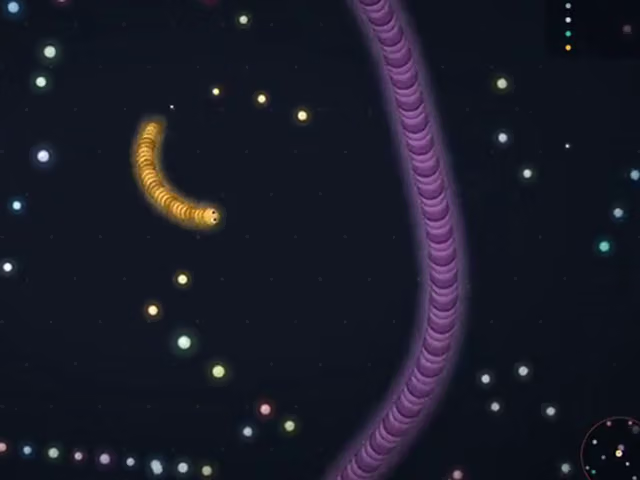 Coil Snake Arena and
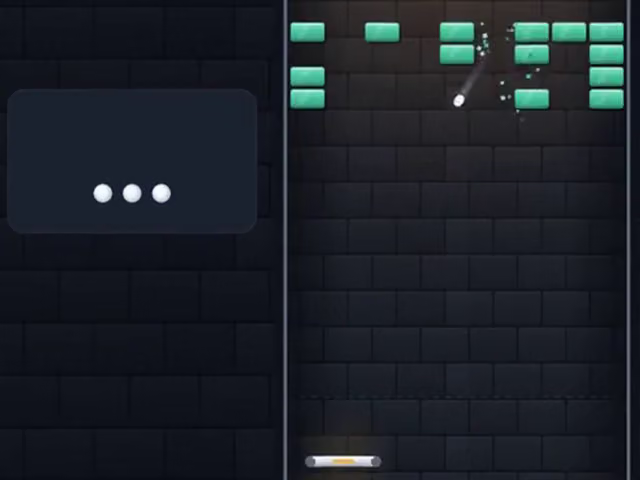 Shardfall Brick Breaker. In Coil Snake Arena you drag anywhere and the snake turns toward your finger, and in Shardfall Brick Breaker you slide left and right and tap to launch the ball.
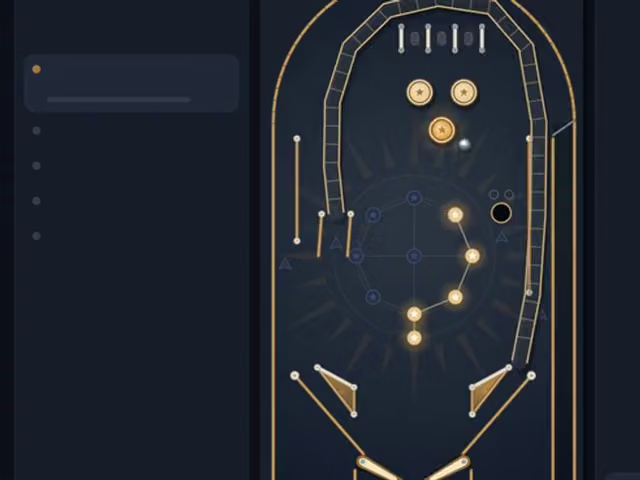 Orbel Pinball starts on Sunwheel, the first table, which is open from the start, and the other four open as you reach goal 3 on each.
Do these games have a daily run, and is my progress saved?
Yes, all nine have a daily run that is the same for every player that day. Progress and best scores stay on the device you play on, with no account, and all nine can move them to another device with a sync code.